
Coffee equipment is one of the hardest-working assets in any café, restaurant, office, or hospitality space. From the first espresso of the morning to the final cup of the day, every brew depends on a machine performing with precision. While many businesses focus on purchasing quality equipment, fewer recognize that consistent maintenance often determines how well that investment performs over time.
Every espresso machine experiences daily wear. Water passes through internal components under pressure, coffee oils build up inside the brewing system, and minerals gradually collect wherever heat is present. Without regular care, even high-quality equipment begins to lose efficiency, affecting both coffee quality and operating costs.
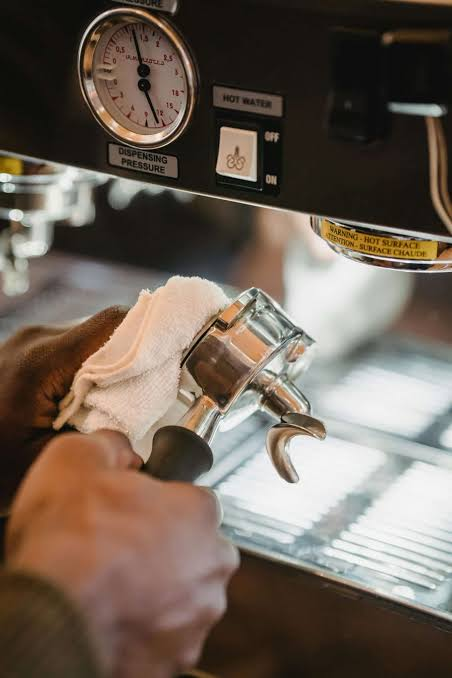
Understanding the importance of preventive maintenance helps businesses protect their equipment, reduce downtime, and continue serving consistently excellent coffee. It also allows owners of used espresso machines to maximize performance and extend the life of their investment.
Small Maintenance Tasks Prevent Bigger Problems
Many equipment failures begin as minor issues that go unnoticed.
Coffee residue slowly accumulates inside brewing components, while mineral deposits reduce water flow and heating efficiency. Rubber seals wear over time, and filters become less effective with continuous use. Individually, these problems seem insignificant. Together, they affect extraction quality, increase energy consumption, and place additional strain on internal parts.
Daily cleaning and routine inspections help identify these issues before they develop into costly repairs. Simple preventive care often reduces unexpected service interruptions while maintaining consistent coffee quality.
Businesses that prioritize maintenance spend less time reacting to breakdowns and more time focusing on customers.
Clean Equipment Produces Better Coffee
Coffee flavor depends on more than fresh beans and skilled preparation.
Old coffee oils left inside group heads, brewing chambers, and portafilters gradually become rancid, influencing the taste of every beverage. Milk residue inside steam systems may also affect texture and hygiene if cleaning is overlooked.
Routine cleaning removes these unwanted deposits, allowing every espresso to reflect the coffee's intended flavor rather than lingering residue from previous brews.
Proper maintenance also supports consistent brewing pressure and stable water flow, both of which are essential for balanced extraction.
Whether operating new equipment or used espresso machines, cleanliness remains one of the simplest ways to improve coffee quality every day.
Preventive Maintenance Reduces Unexpected Downtime
Equipment failures rarely happen at convenient moments.
A malfunction during the morning rush or a busy lunch service disrupts operations, delays customer orders, and places additional pressure on staff. In many cases, these interruptions result from maintenance tasks that were postponed or overlooked.
Preventive servicing helps identify worn components before they fail. Replacing seals, checking pressure levels, cleaning internal systems, and monitoring water quality all contribute to dependable machine performance.
Businesses that schedule routine inspections often experience fewer emergency service calls and greater operational stability throughout the year.
While there may still be occasions when coffee machines need repair, preventive maintenance significantly reduces the likelihood of major mechanical failures.
Water Quality Has a Lasting Impact
Water is the primary ingredient in every cup of coffee, yet it is often one of the most overlooked factors in equipment care.
Hard water contains minerals that gradually form scale inside boilers, valves, and water lines. As these deposits accumulate, heating efficiency declines, brewing temperatures become less stable, and internal components experience additional wear.
Using filtered water and following a regular descaling schedule helps protect espresso machines from long-term damage. It also preserves the clarity of coffee flavors by preventing mineral buildup from affecting extraction.
A simple investment in water treatment often saves substantial maintenance costs over the life of the machine.
Maintenance Extends Equipment Lifespan
Professional coffee equipment is built to provide years of reliable service. Achieving that lifespan depends largely on how well the machine is maintained.
Regular cleaning, timely servicing, and proper daily operation reduce unnecessary wear on internal components. These practices help machines operate more efficiently while maintaining the consistency that customers expect.
Owners of used espresso machines often discover that well-maintained equipment continues delivering dependable performance long after its initial purchase. Consistent care protects the investment while postponing the need for costly replacements.
Instead of viewing maintenance as an occasional task, successful coffee businesses make it part of their daily routine.
Routine Servicing Saves Money Over Time
Many business owners postpone maintenance because the equipment appears to be working normally. Unfortunately, hidden wear often develops long before obvious problems appear.
A small leak may increase water consumption, a worn gasket may reduce brewing pressure, or mineral buildup may force heating elements to work harder than necessary. These issues gradually increase operating costs while placing additional stress on the machine.
Routine servicing addresses these concerns before they become expensive repairs. Replacing inexpensive components during scheduled maintenance is often far more affordable than replacing major internal parts after a breakdown.
Businesses that regularly repair coffee machines as part of a planned maintenance schedule often experience lower long-term ownership costs than those that rely solely on emergency repairs.
Staff Training Plays an Important Role
Even the most advanced espresso machine performs best when operated correctly.
Employees who understand proper cleaning procedures, daily startup routines, and shutdown practices help protect the equipment from unnecessary wear. Small habits, such as flushing the group head, wiping the steam wand immediately after use, and using the correct cleaning products, contribute to better performance every day.
Training also helps staff recognize early warning signs, including unusual noises, slower brewing, inconsistent pressure, or changes in coffee quality. Reporting these issues promptly allows technicians to resolve minor concerns before they affect daily operations.
Well-trained teams not only improve coffee quality but also extend the life of valuable equipment.
Choosing Quality Replacement Parts Matters
When servicing becomes necessary, the quality of replacement components directly affects future performance.
Low-quality parts may fit correctly but often wear out more quickly or fail to deliver the same level of reliability as properly matched components. Using suitable replacement parts helps maintain brewing accuracy, protects internal systems, and reduces the risk of repeated repairs.
Working with experienced service professionals also ensures that maintenance follows manufacturer-recommended procedures and industry best practices.
Whether maintaining newer equipment or used espresso machines, quality repairs support consistent performance over the long term.
A Maintenance Schedule Creates Consistency
Waiting for equipment to develop problems often leads to unnecessary interruptions.
Instead, many successful coffee businesses follow a structured maintenance schedule that includes daily, weekly, monthly, and annual tasks.
A simple maintenance routine may include:
- Cleaning brewing components every day.
- Flushing and cleaning steam wands after each use.
- Backflushing the machine as recommended.
- Replacing water filters on schedule.
- Descaling according to water conditions.
- Scheduling professional inspections at regular intervals.
This proactive approach reduces unexpected downtime while helping every cup meet consistent quality standards.
Rather than viewing maintenance as an additional responsibility, businesses benefit from treating it as part of normal operations.
Preventive Care Supports Customer Satisfaction
Customers may never see the inside of an espresso machine, yet they notice the results immediately.
A well-maintained machine produces balanced espresso, smooth milk texture, and dependable drink quality throughout the day. Equipment that receives inconsistent care often delivers beverages with noticeable variations in flavor, temperature, or appearance.
Reliable coffee quality strengthens customer confidence and encourages repeat visits. It also allows staff to work more efficiently by spending less time troubleshooting equipment and more time serving guests.
Although there will always be occasions when coffee machines need repair, preventive maintenance remains the most effective strategy for protecting both equipment performance and the overall customer experience.
Recognizing Early Warning Signs Makes a Difference
Espresso machines often indicate that something is wrong before a major failure occurs. Paying attention to these warning signs helps businesses address minor issues quickly and avoid costly interruptions.
Watch for signs such as:
- Inconsistent espresso extraction.
- Fluctuating water temperature.
- Reduced steam pressure.
- Unusual noises during brewing.
- Water leaks around the machine.
- Longer heating times.
- Error messages or irregular performance.
Addressing these concerns promptly helps restore optimal performance while preventing unnecessary wear on other components. A professional inspection at the right time often resolves a small issue before it develops into a larger repair.
Knowing When Repair Makes More Sense Than Replacement
Replacing an espresso machine is not always the best solution.
Many issues involve components that naturally wear over time, such as seals, valves, pumps, or filters. When the machine has been properly maintained, and its core systems remain in good condition, repairs often provide excellent value.
This is particularly true for used espresso machines that have received regular servicing throughout their lifespan. High-quality commercial equipment is built for durability, and with proper maintenance, many machines continue operating efficiently for years.
Evaluating the condition of the equipment, repair costs, and expected future performance helps owners make informed decisions without prematurely replacing a machine.
Building a Culture of Preventive Maintenance
Preventive maintenance is more than a checklist. It is a mindset that supports consistent coffee quality and dependable operations.
When cleaning routines, equipment inspections, and scheduled servicing become part of daily business practices, the benefits extend well beyond the machine itself. Staff work with greater confidence, customers receive consistently excellent coffee, and unexpected downtime becomes far less common.
A proactive approach also allows businesses to plan maintenance during quieter periods instead of reacting to unexpected breakdowns during peak service hours.
Choosing to repair coffee machines before minor issues become major problems protects both the equipment and the overall customer experience.
Final Thoughts
Great coffee depends on more than quality beans and skilled preparation. Reliable equipment, supported by regular maintenance, forms the foundation of every consistently excellent espresso.
Preventive care improves brewing performance, extends equipment lifespan, reduces operating costs, and minimizes unexpected interruptions. Whether you manage brand-new equipment or used espresso machines, routine servicing remains one of the most effective ways to protect your investment.
Small maintenance tasks completed consistently often prevent larger mechanical issues, helping businesses maintain smooth operations and deliver the quality customers expect with every cup.
Investing time in regular equipment care today creates long-term value, supports reliable performance, and keeps great coffee flowing for years to come.